Where the sewer cleanout is in an older house
Updated October 30, 2026 · 3-minute read · Old House Sewer Lines
In an older house the sewer cleanout is usually in the basement, near where the main drain exits through the foundation toward the street; in many New York homes it is a plug on the house trap. Newer work adds a separate cleanout fitting near that same point.
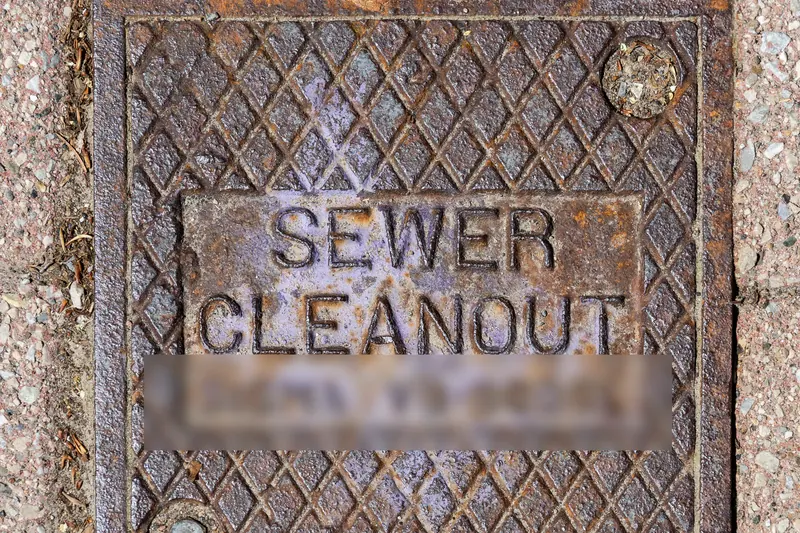
The Plumbing Code of New York State sets where cleanouts go on the line leaving a building. Where the building drain joins the building sewer, a cleanout must sit at that junction or no more than 10 feet upstream of it, measured along the pipe (§708.1.3). Spacing on sewers under 8 inches is capped at 100 feet between cleanouts, and any horizontal change of direction sharper than 45 degrees needs one, though a single cleanout can serve several such bends within 40 feet (NYS code chapter 7). The 2025 edition, in force since December 31, 2025, keeps these rules.
The house trap as a cleanout
Many basements in southern Westchester never got a separate cleanout because the house trap did that job. In some houses, the NYS Department of State points out, those trap openings are the sole way into the horizontal drain and the place it meets the sewer (NYS DOS, Building Traps). That is why removing an old trap may require new cleanouts, and why any alteration has to meet the code for new work. The trap and its openings are described in the house trap.
Where the building drain ends is defined, too. The residential code definitions DOS quotes say the building drain extends 30 inches in developed length beyond the exterior walls; past that, the pipe is the building sewer.
Caps matter
A loose or missing cap is a real defect. One study cited by the US EPA found almost 25 percent of service-lateral defects were cleanout caps that were damaged or missing, a 1995 figure. An open cleanout lets sewer gas into the house and, outdoors, can let rain into the sanitary line. Con Edison's gas-safety guidance makes the same point: gases can come in through sewer lines, so the indoor caps should be sound and on firmly (Con Edison). Checking that a cap is present and snug is within homeowner scope.
What the cleanout is used for
The cleanout is the access point for clearing tools and inspection cameras. FEMA's homeowner guidance treats an indoor snake as a common fix for a slow drain; beyond the foundation wall, leave it to a plumber who runs a camera first (FEMA). It is also where a camera survey normally starts; see sewer camera inspection. If there is no usable cleanout, a contractor may need to add one before the line can be cleared or recorded, and that is permit work.
Cleanouts and the outside line
Clearing from the cleanout toward the street means working on the lateral outside the house. NYSEG says a blockage inside the building is not a gas-line issue, but one outside could be a cross bore, where a gas line was bored through the sewer (NYSEG). A camera first is the safer order. See cross bores.
Where the state code puts cleanouts
- 10 feetAt the drain-to-sewer junction or no more than 10 feet upstream
- 100 feetSpacing cap between cleanouts on sewers under 8 inches
- Over 45°A change of direction needs one; one can serve several within 40 feet
Key facts
- §708.1.3 calls for a cleanout where drain meets sewer, or no more than 10 feet before that point (NYS code).
- On building sewers below 8 inches in size, cleanouts may be no more than 100 feet apart (§708.1.2).
- A change of direction over 45 degrees needs a cleanout; one can serve several within 40 feet (§708.1.4).
- Because a trap can be the only access, taking one out can mean adding cleanouts (NYS DOS).
- A 1995 study cited by EPA tied almost 25% of lateral defects to missing or damaged cleanout caps (EPA).